
New Zealand Cruise Journal Filed from aboard

Onboard Desk · New Zealand Travellers

The Practical Paper for Life at Sea

Sailor Companion is an English-language cruise journal for New Zealand travellers. This guide follows the useful choices of a day on board: reading itineraries, confirming dining, finding decks, planning entertainment, checking wellness areas and arranging family time. Schedules, access conditions and opening times can vary by ship and sailing, so use these notes to prepare questions, then consult the current programme and onboard notices.

By Sailor Companion Editorial Desk Published 8 September 2026 Updated 8 September 2026

Filed as an orientation tool rather than an operator timetable: the ship’s daily programme, signage and crew guidance remain the current source for your voyage.

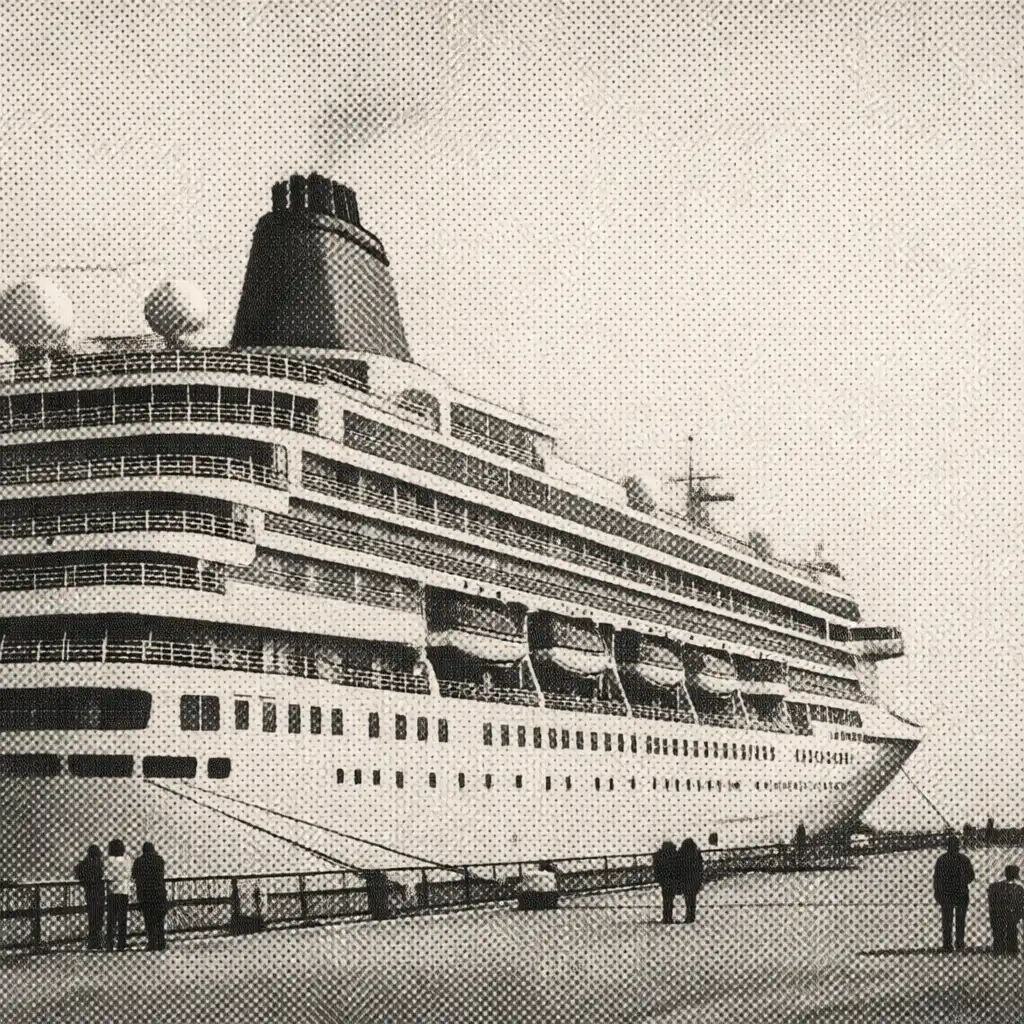
Cruise liner upper decks, railings and funnel viewed from the quay.
Press photograph: upper-deck lines and promenade space provide a practical sense of the shipboard setting.

Field Guide No. 01

The Daily Programme, Read Before Breakfast

Find the day’s anchors

Start with the commitments that are least flexible: a port return time, dining reservation, booked activity or evening show. The daily programme commonly gathers times, venues and events in one place, making it easier to see what is fixed and what is simply available to join. Mark one morning anchor, one afternoon possibility and one evening commitment rather than attempting every listing. On port days, the pace of onboard programming may differ, so let the current schedule set the rhythm.

“A clear plan leaves room to notice the ship.”
Sailor Companion desk note

Read location as well as time

A listed time is useful only when paired with its deck and venue. Note both before leaving your cabin, particularly on a larger vessel where lifts, stairs and wayfinding can take longer than expected. Check whether an entry describes a briefing, a queue time or the actual start. The venue name may be similar to another public space, so use the deck number and directional labels supplied on board to confirm that you are heading to the right place.

Leave room for changes

Treat a printed or app-based plan as current guidance, not a permanent promise. Weather, port operations or programming changes can affect a day’s arrangements. Revisit the programme and look for notices before setting off, especially after time ashore. If a detail matters to your plans, check it rather than relying on an earlier version.

Check before you go: time, venue, deck and the latest notice.
Service Desk

Dining: Times, Venues and Courtesy

Confirm the venue and service style

Before breakfast, lunch or dinner, check which venues are operating and how each one is being run that day.

Dining rooms, casual venues and booked experiences can differ by ship, and their availability may change during a sailing. A meal time is not always the same as a reservation time: one venue may invite a queue, another may use an assigned sitting, while another may ask guests to arrive at a stated time. Read the current onboard information, note the venue name and ask staff when the day’s arrangement is unclear.

Before sailing

Plan around dietary and access needs

Raise dietary requirements and practical access needs through the channels provided by your cruise line as early as possible. Once aboard, confirm arrangements if that is appropriate for the venue and sailing. Layouts, service procedures and available choices can vary, so clear communication is more useful than assumptions. A host or dining team can explain the current process without this guide claiming a universal arrangement.

Shared-room note

Observe shared-room etiquette

Busy dining rooms work best when guests arrive at the requested time, follow host guidance and respect seating arrangements. If dress or service expectations are uncertain, ask rather than guess. This is not a fixed rulebook for every vessel; it is a considerate way to help a shared space run smoothly for staff and fellow travellers.

Dining desk checklist Venue: confirm where you are eating. Time: distinguish meal and arrival time. Reservation: check whether one is needed. Dietary note: confirm arrangements clearly. Changes: read the current daily information.

Wayfinding Desk

Deck Plans: Make the Ship Legible

Begin with your own cabin deck

Use your cabin deck and the nearest recognisable public space as a first reference point. There is no need to memorise an entire ship at once. Deck numbering and public-space arrangements differ by vessel, but labels such as forward, midship and aft can help establish direction where they are provided. Build a small personal map: where you sleep, where you eat, and one route to a familiar public area.

Read the plan in layers

  1. Deck number: establish where you are and where you need to go.
  2. Zone or direction: note forward, midship or aft labels where shown.
  3. Venue name: match the listing to onboard signs.
  4. Vertical route: identify nearby stairs or lift banks.

Plans may distinguish guest and service areas. When a plan is unclear, follow signage and ask crew for current direction.

Evening Edition

Evening Programme: Entertainment Without a Rush

Separate booking from attendance

A reservation, ticket or listing may still carry an arrival expectation, venue rule or capacity limit. Not every ship uses the same system, so confirm timing and location together in the current programme. A stated activity can be conditional on booking, while a booked activity may still ask guests to arrive by a published time. When unsure, use the venue information or ask the appropriate onboard team before shaping the rest of the evening around it.

Build in transition time

Finish dinner, deck activities or family arrangements with enough time to reach the venue and find the right entrance or seating area. Popular periods can bring more movement through public spaces, even when no demand level is promised. Check whether an activity includes age, family or accessibility guidance, and make an alternative plan if the current notice changes.

A calm arrival often begins with a clear route.

“The best seat is less important than knowing when and where to arrive.”
From the evening desk
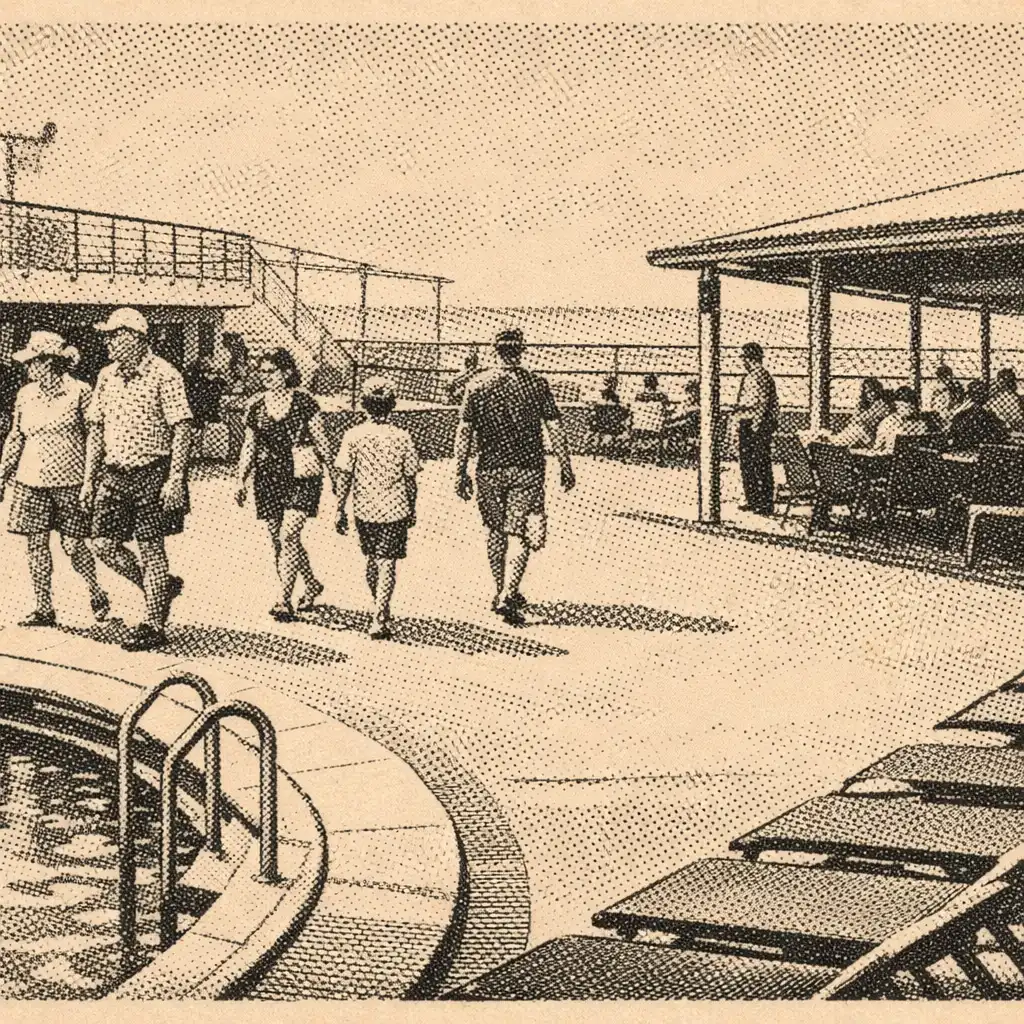
Calm cruise ship pool deck with loungers, shaded seating and guests moving through shared space.
Shared deck spaces change through the day; check current signs and programme details before making plans.

Shared Spaces Desk

Wellness and Family Spaces: Check Access, Then Set a Pace

Wellness areas are operational spaces

Where offered, pools, fitness areas and spa-related spaces are practical venues with their own location, opening information and access conditions. Before visiting, check the day’s details for booking procedures where applicable, attire guidance and any stated conditions. Not every ship provides the same facilities, and a facility’s arrangements may change during a sailing. Current onboard information is the useful starting point; it helps you decide whether a visit fits the day rather than treating wellness time as an assumed entitlement.

A small preparation note: confirm the venue, current access information and the time you can reasonably spare.

Family desk

Family spaces work best with clear timing

Family areas and activities may have age ranges, supervision expectations, session times or capacity arrangements. Check the daily programme instead of assuming a particular service or childcare provision. A practical family plan includes a meeting point, a clear handover time where relevant and an alternative activity if the current session does not suit. That preparation respects changing onboard schedules while giving everyone a straightforward next step.

  • Read the current session information.
  • Confirm any stated access or supervision guidance.
  • Agree a meeting point and a second option.
Casino Desk

Casino Desk: A Factual Guide to the Venue

Venue atmosphere and opening information

An onboard casino is a shipboard venue with tables, staff, other guests and its own scheduled operating periods.

Opening hours and access conditions should be confirmed through the ship’s current programme or venue notice, because availability can vary by sailing and ship. The atmosphere may include formal table procedures, quiet observation and staff guidance as a session begins. This is practical information, not a prediction of outcomes: if you choose to enter, take time to understand the current venue conditions before joining a table.

Dealer preparing an onboard casino table with face-down cards, chips and a roulette wheel in the background.
A table before play: posted procedures and staff direction set the current conditions.

Poker

Poker formats can have posted rules, table limits and procedures that vary. Read the table information and ask staff if the format is unfamiliar before deciding whether to take part.

Roulette

Roulette is a table game with its own stated procedure and table conditions. Observe the posted rules and staff direction rather than assuming a method transfers from another venue.

Blackjack

Blackjack tables may also set their own procedures and limits. If any condition or instruction is unclear, ask the dealer or venue staff before joining the table.

First-Hours Ledger

Embarkation-Day Margin Notes

  1. 1Locate your cabin and the muster information supplied by the ship. Follow official onboard directions for safety matters rather than replacing them with editorial advice.
  2. 2Review the day’s programme. Note current times, venues and notices that affect your first afternoon or evening.
  3. 3Identify dining arrangements. Confirm the venue, time and any reservation or queue information for your next meal.
  4. 4Note key decks. Find your cabin deck, one public reference point and a practical route between them.
  5. 5Confirm questions early. Check bookings, access needs or current arrangements with the appropriate onboard information or crew.

From the Guide Desk: Choose Your Next Read

Use these editorial routes when a general onboard question depends on a particular vessel, cabin type or sailing plan.

Ship context

Cruise liners and cabin context

Practical questions often depend on a vessel’s layout, facilities or accommodation type. Read Sailor Companion’s cruise liner coverage alongside factual cabin reviews when you need more context for how a particular kind of ship or cabin may shape time on board.

Read cabin reviews

Port-day planning

Itinerary planning

Port-day context can affect how you structure time aboard. Our itinerary coverage offers a useful next reading path when you are weighing the day’s shore and shipboard commitments.

Read cruise itineraries

Casino coverage

Casino guide in full

For fuller factual coverage of poker, roulette, blackjack, table etiquette, venue hours and responsible play, continue to the dedicated Casino Guide.

Read the casino guide

This guide is here to help you prepare questions and organise a day, not to replace the ship’s live information. Schedules, access conditions and facilities may vary by ship and sailing; the current programme, notices, signage and crew guidance govern the voyage itself.