Layout before décor
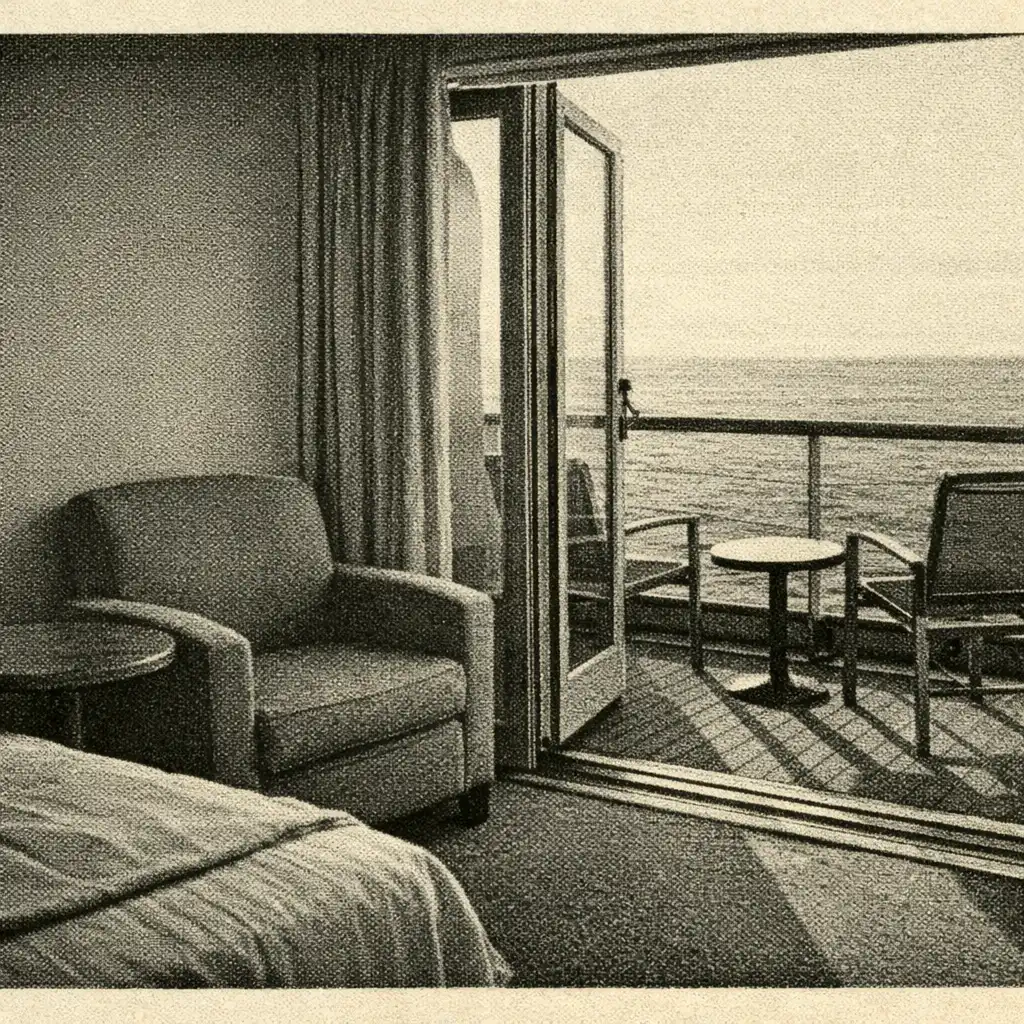
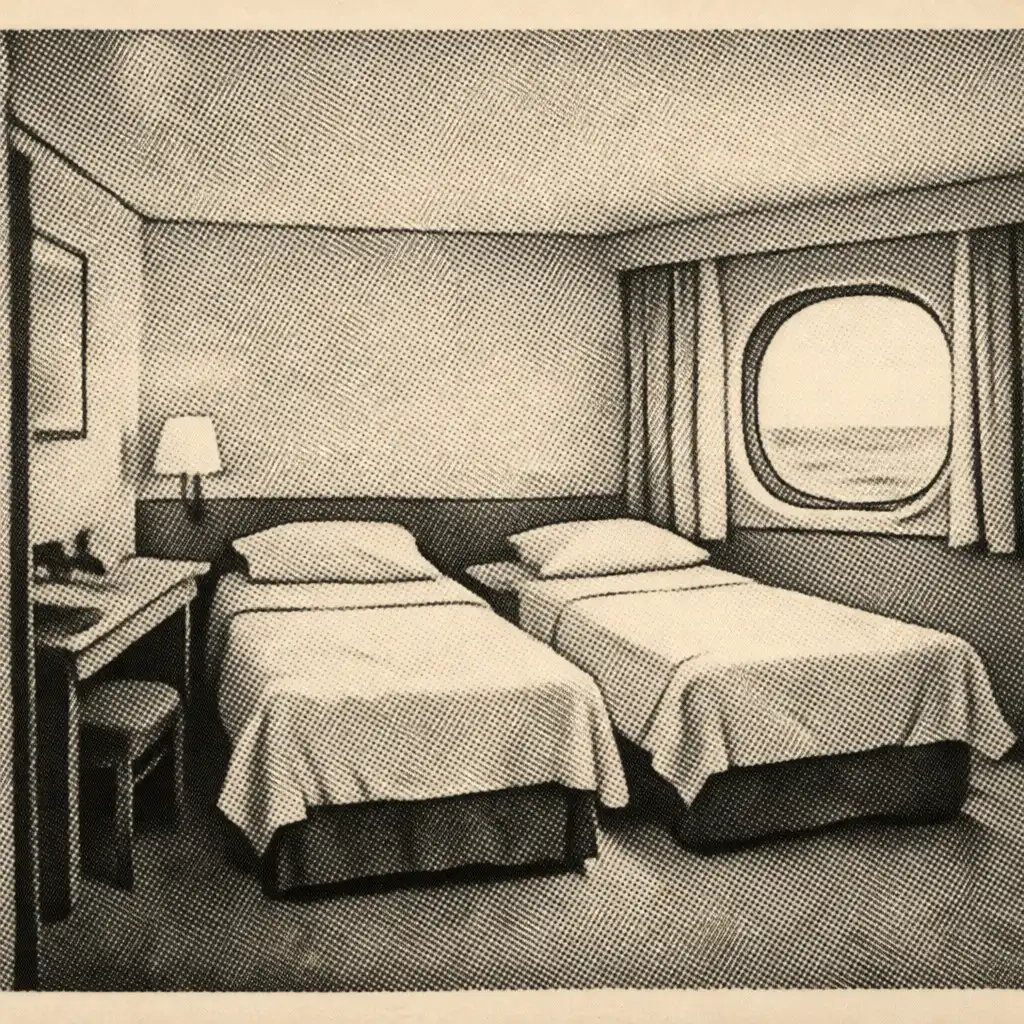
Our reviews start with the working floor plan: circulation around the bed, the placement of seating, door swing and the practical relationship between sleeping and washroom areas. Brochure images can be helpful, but readers also need to know whether two people can move, unpack and prepare at the same time. Furniture arrangement can matter as much as a nominal cabin grade when a room is used morning and evening.
Fixtures and daily routines
We note bed configuration, bedside access, visible outlets, bathroom arrangement, shower enclosure, mirrors, hanging space, drawers and luggage storage where these details can be observed. Fittings can differ by ship, refit, cabin number and accessible adaptation, so a report should identify its context rather than imply every room is identical. The aim is to describe how ordinary routines may fit the space.
Position and conditions
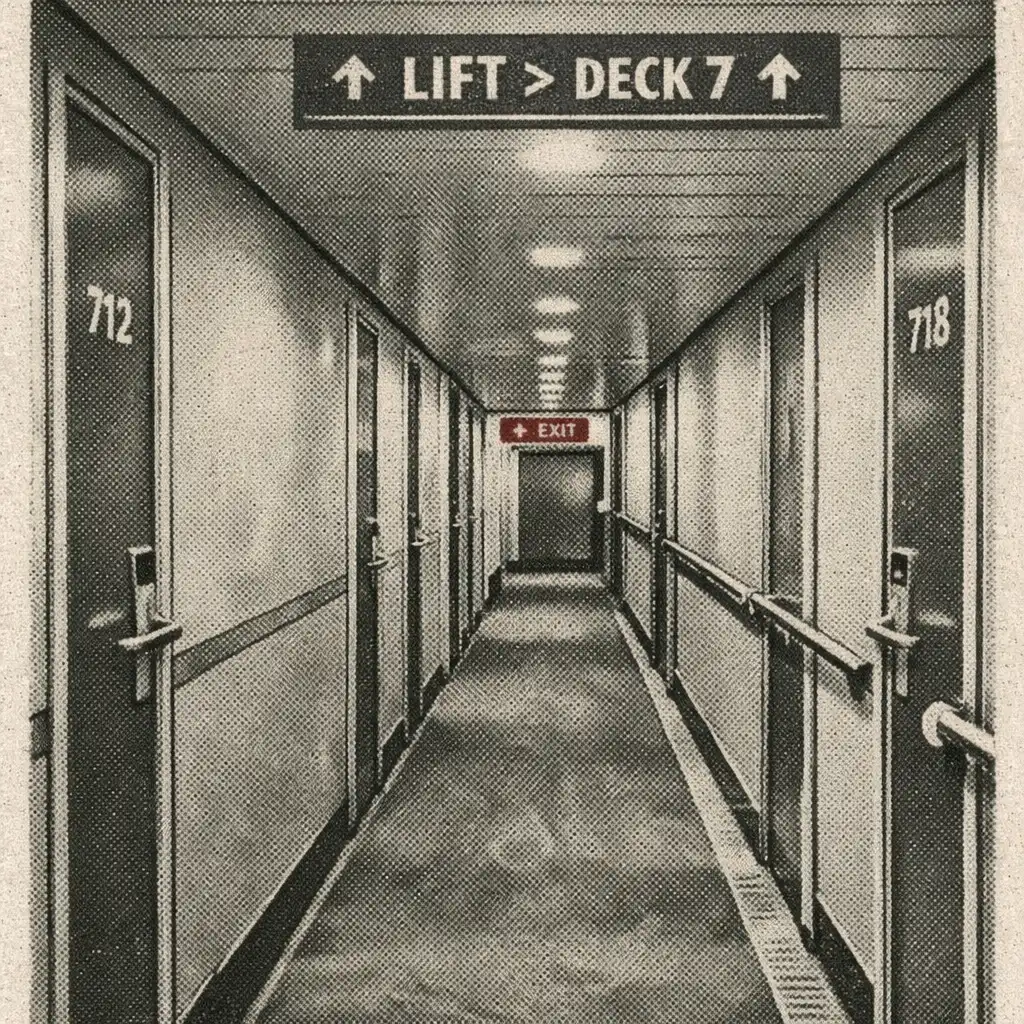
A review also records deck, fore-to-aft position, lift routes and nearby public areas because these may shape noise, footfall and perceived movement. They are factors to investigate, not guarantees: sea conditions, itinerary and individual sensitivity vary from sailing to sailing. A cabin note is most useful when read beside the deck plan and the traveller’s own routine.