
Useful ship reporting looks beyond headline facilities. We examine circulation, public rooms, cabin placement and the changing atmosphere of shared spaces, while keeping practical information clearly labelled. A deck plan is only part of the picture: proximity to lifts, possible traffic, nearby activity and the ordinary patterns of use can all help a traveller understand a vessel before stepping aboard. The aim is not to rank unnamed ships, but to describe the details that make a room or route easier to read.
The Shipboard Journal · New Zealand Edition
Cruise notes, onboard reports & practical guides
Read a cruise ship as a living place, not merely a passage.
Sailor Companion helps New Zealand travellers compare the everyday realities of life aboard: where a cabin sits, how dining and decks change through the day, and what shared rooms ask of their guests. Our articles distinguish observed detail, listed facilities and practical considerations so readers can bring useful questions to their own sailing.
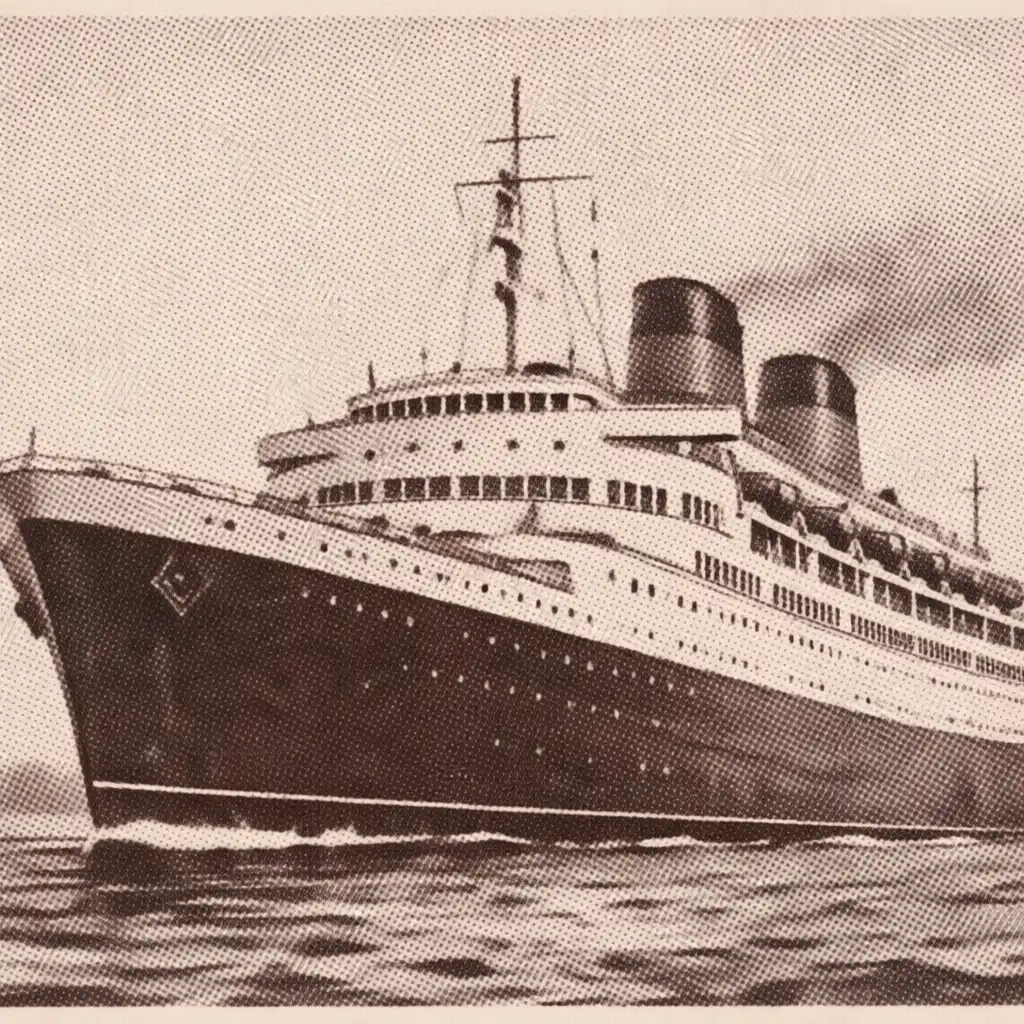
From the liners desk
How a liner is read
Field report
Cabins, decks and daily movement
Cabin and deck reports consider fittings, location, access and nearby activity as parts of one daily map. A room can be understood alongside the routes that lead to it, not in isolation. Use our observations with operator information for your particular sailing, then read cabin reviews for a closer look at practical room context.
Public rooms
Shared spaces worth mapping
Dining rooms, entertainment venues, wellness areas and family spaces each raise different practical questions. Our coverage considers access, ambience, opening patterns and suitability without assuming that any arrangement is universal. Follow the onboard guides for everyday context, or return to broad liner reporting for the wider ship picture.
The practical shipboard notebook
The ordinary questions that shape a day aboard
01
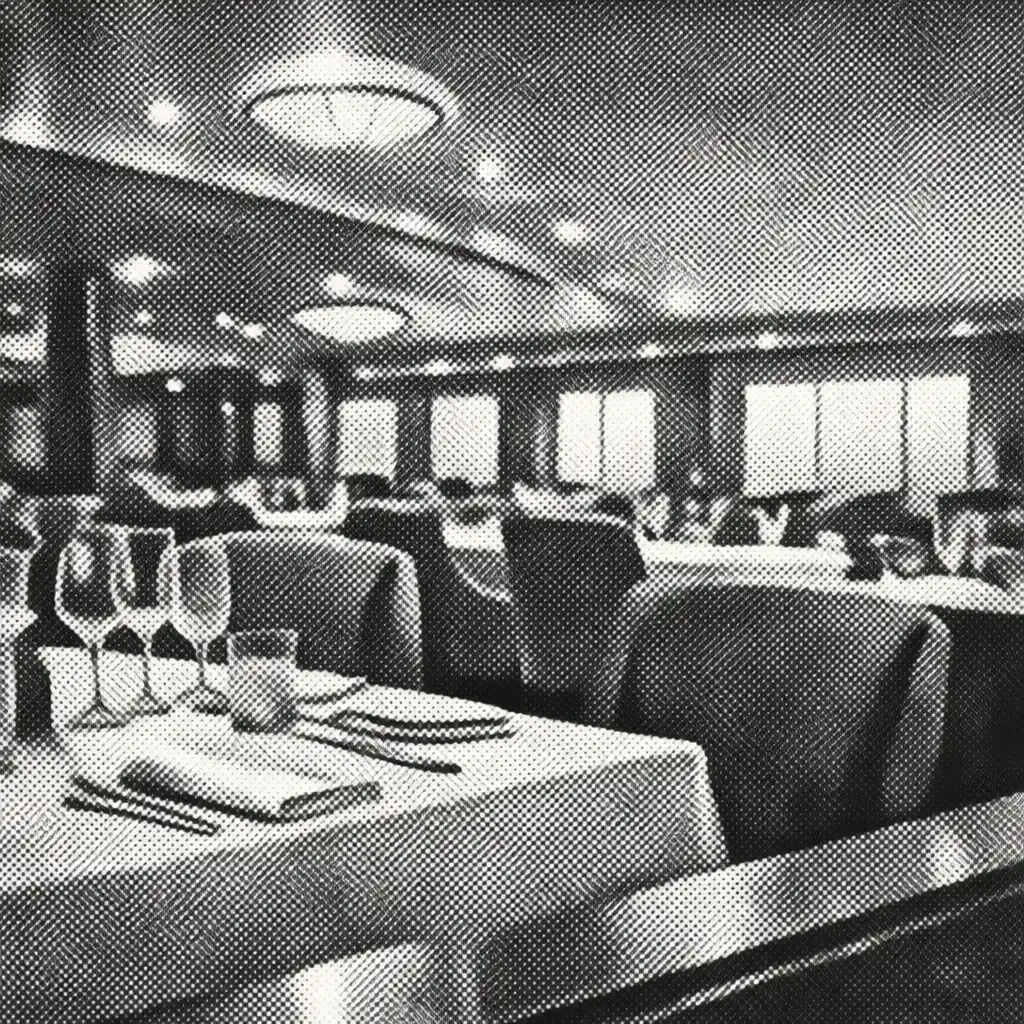
Dining without assumptions
Dining guidance explains venue types, service rhythm, reservations and practical considerations without treating opening times or inclusions as universal. Arrangements differ by ship and sailing, so the most useful preparation is to understand the questions to ask, then confirm current onboard details with the cruise operator. Our notes favour observation and readiness over promises about a meal or room.
02
Entertainment, wellness and quieter corners
Guides consider show venues, wellness areas and the changing character of public rooms across a day. Access, noise, timing and location can be as relevant as a venue name, particularly when the vessel is busy. We do not promise a programme or amenity; instead, our reporting helps readers notice how a space may sit within the wider deck plan.
03
Family spaces and shipboard routines
Family-space reporting gives practical context for travellers considering how shared areas may fit into a day at sea. Proximity, age-appropriate arrangements and potentially busy periods are useful subjects to research, while current provision remains a matter for the operator. Browse onboard guides for fuller articles on the ship’s everyday rhythm.
Route desk
A route is more than a port list
Filed from the route desk
Itinerary reporting considers the rhythm between embarkation, days at sea and port calls, not simply the names printed on a route. Timings shape when people move through the vessel, how public rooms feel and what preparation is useful before the next stop. For New Zealand travellers, a calm reading of that sequence can make a voyage easier to picture. Published schedules can change, so every practical note belongs beside the operator’s current documentation for the sailing concerned.
Casino guide
The evening room, plainly reported
Casino desk
A factual casino desk
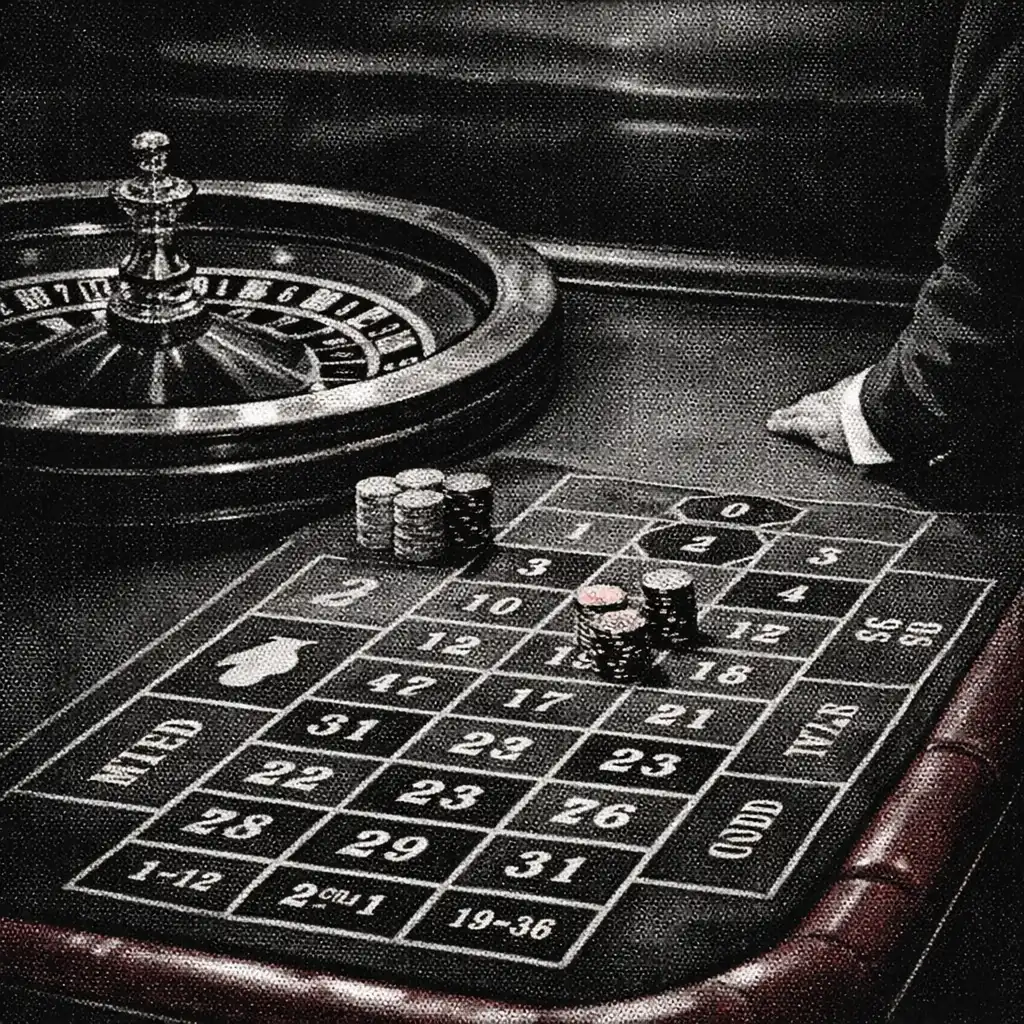
Our casino reporting explains how onboard venues are arranged and used, with information intended to support understanding rather than gambling promotion. The guide covers poker, roulette and blackjack, alongside table etiquette, atmosphere, opening times and responsible play. Availability, hours and rules can vary by vessel and sailing, so venue information should be checked onboard or in current official operator material.
Poker
Poker
Plain-language notes introduce common table formats, familiar terms and what to observe before taking a seat. Procedures are set by the venue and may differ between sailings.
Roulette
Roulette
Coverage explains the layout, table flow and the value of listening to staff direction, without presenting a system or making claims about outcomes.
Blackjack
Blackjack
Readers can learn basic table terminology and customary sequence, while remembering that table rules and limits are venue-specific.
Cabin review field notes
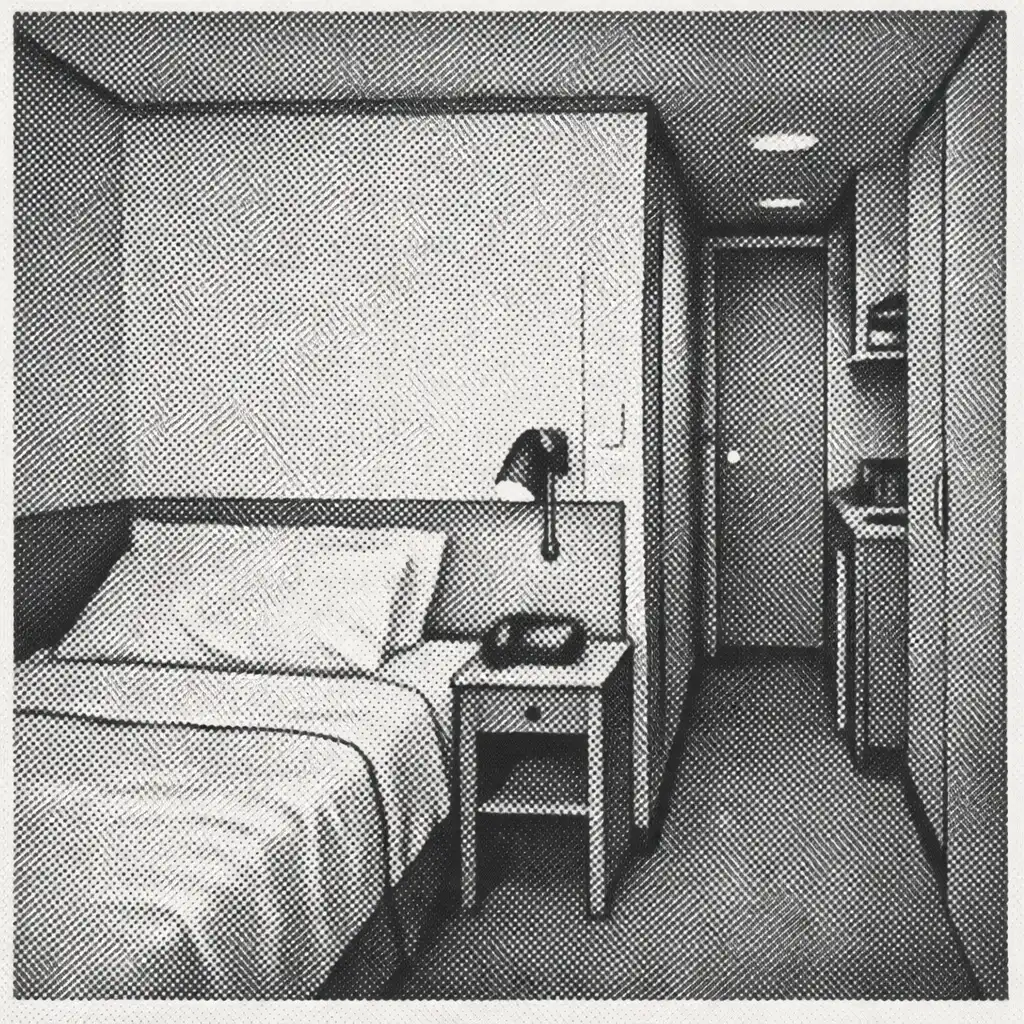
The room includes the deck outside the door
1
Location is part of the room
A cabin review considers its position in relation to lifts, public rooms, decks and everyday movement alongside the room itself. Location can influence perceived noise, foot traffic and convenience, but no single description is a universal verdict. We describe context so readers can compare it with their own priorities.
2
Fittings, storage and layout
Reporting attends to practical fittings, storage, bed arrangement and circulation space where these are documented. Layouts can vary even within broad accommodation types, so operator documentation remains important for a booked cabin. The useful question is how the room works, rather than how it is marketed.
3
The deck outside the door
Service areas, stairs, public spaces and routes to frequently used facilities all form part of the surrounding deck. Read a deck plan alongside descriptive reporting rather than seeking a fixed “best deck” recommendation. Read cabin reviews for the fuller field notes.
The family and wellbeing pages
Shared spaces, read in context
Family spaces
Family spaces in context
Family-space coverage looks beyond a list of facilities to consider location, adjoining activity and the rhythm of busy shared areas. Suitability depends on individual needs and a ship’s current arrangements, so our notes frame the questions worth researching rather than making childcare or supervision claims. Browse practical onboard guides for wider context on the places that shape a day aboard.
Wellbeing pages
Wellness and quieter routes
Wellness reporting helps readers understand the placement and character of spaces intended for rest, movement or a quieter interval. Access and operating arrangements vary, while deck and public-space reporting can clarify the routes around them. We avoid therapeutic claims and instead describe how a quieter corner may relate to the working life of the ship.
“A useful deck plan shows not just where a room is, but what surrounds it.”From the onboard notebook
The reading room
Choose your next dispatch
Lead file
Cruise liners
Explore broad vessel reporting that reads the ship as a connected set of cabins, decks and shared spaces, with practical observations placed beside the public picture.
Read cruise liner reports → Room reportsCabin reviews
Follow cabin-focused reporting on layout, fittings, position and surrounding deck context, written to help readers ask specific questions of their sailing.
Read cabin reviews → Casino deskCasino guide
Read factual notes on poker, roulette, blackjack, etiquette, atmosphere, venue hours and responsible play, with no outcome-based promises.
Understand the casino guide → Practical pagesOnboard guides
Find reading on dining, entertainment, wellness, family spaces and everyday shipboard questions, mindful that facilities vary between sailings.
Explore onboard guides → ✧ Route deskCruise itineraries
Consider embarkation, sea days and port-call rhythm in route reporting, then confirm published schedules with the operator for your departure.
Read cruise itineraries →Choose the next page aboard
Begin with the vessel as a whole, or turn to the casino desk for factual, responsible venue guidance. Both routes are written for practical reading before and during a cruise.