New Zealand Cruise Journal Filed from aboard

Liner Register

New Zealand Cruise Desk Filed for inspection

Cruise Liners

A cruise liner is a working, floating environment: its cabin positions, public rooms, deck routes and daily routines merit as much attention as its photographs. Sailor Companion is an English-language cruise journal for New Zealand travellers, reporting factually on cabins, dining, decks, entertainment, wellness areas, family spaces, itineraries and practical onboard guides.
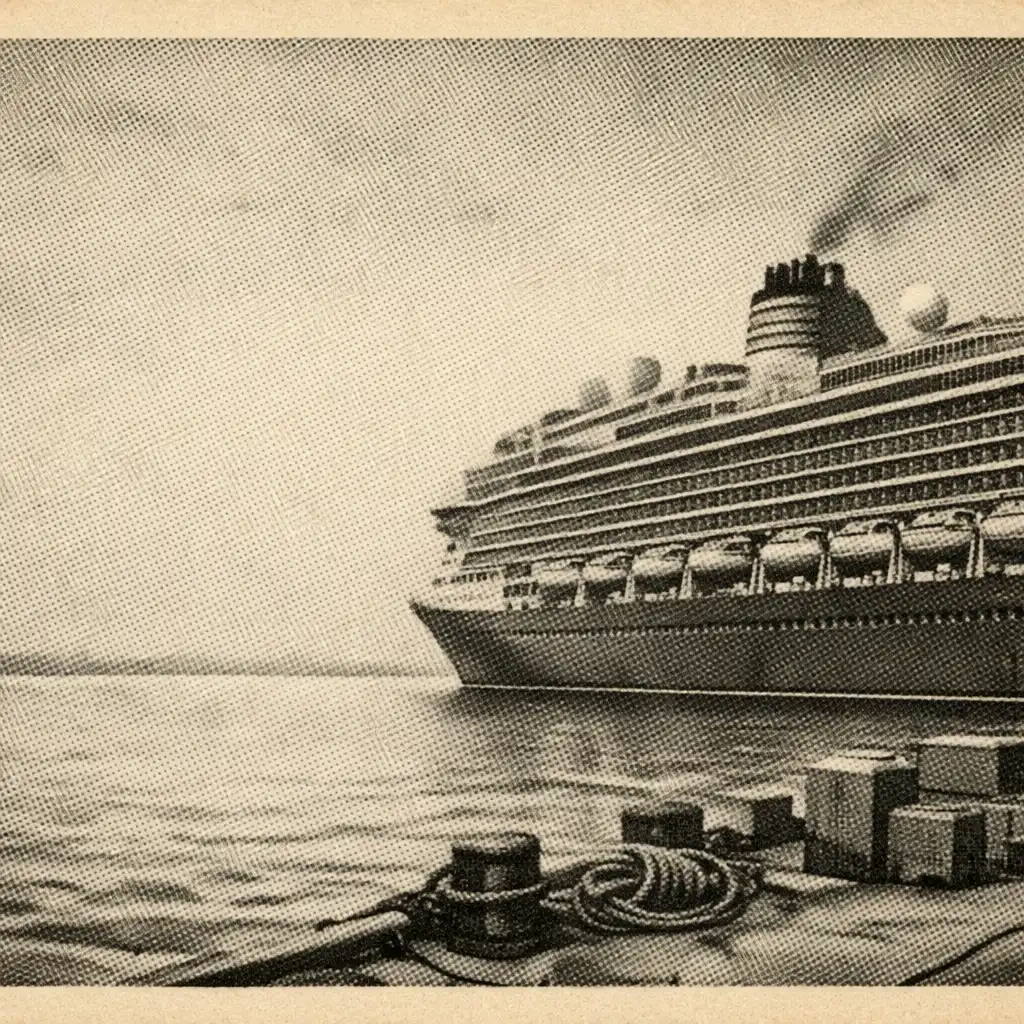
A large cruise liner alongside a working harbour quay, with stacked decks, lifeboats and funnel visible.
Harbour dispatch: a liner’s profile gives only part of the story; the useful questions begin with its decks, routes and working spaces.

Shipboard assessment

The ship at a glance

A liner works as a connected system. Before looking at individual facilities, consider the cabin’s place in the plan, the rhythm of public rooms and the way the itinerary changes demand across the day.

Cabin Ledger

Cabin position shapes the quiet hours

Cabin choice is about location and daily conditions as much as a category label. Read a deck plan beside a description, noting lifts, theatres, service areas, pool decks and the routes people may use at different times. Movement, noise and foot traffic can vary by position, so factual cabin reviews are most useful when they explain what sits nearby rather than making promises about silence.

Public-room notes

Public rooms set the ship’s rhythm

Dining rooms, lounges, theatres, pool decks and wellness areas are governed by opening patterns, capacity and atmosphere. Consider when a space is likely to be busiest, how far it is from the cabin and what follows it in an evening routine. A facilities list is only a starting point; the practical question is how the rooms work together over a sailing.

Voyage context

Itinerary days change how the ship is used

Sea days, port calls and embarkation days alter demand for food venues, family areas, deck seating and onboard activity. Assess the itinerary and the vessel together, then use practical onboard guides to understand the daily routines that may follow. A good plan is not a promise of pace; it is a map for asking better questions.

Cabin report

Read the plan before the brochure

Location is the first practical detail to inspect. Use the deck plan to place a cabin beside lifts, stairwells, entertainment spaces, service corridors and busy deck routes, then imagine the routes passengers take in the morning, after shows and while returning from public rooms. A category name cannot explain those relationships. Sailor Companion cabin reviews look for the ordinary evidence that helps a traveller understand a room’s position without offering noise guarantees.

Layout and storage in everyday use

Inside the cabin, verify bed arrangement, bathroom configuration, storage, seating, power access and the room available to move around comfortably. These details matter differently for solo travellers, couples and families, and should be checked in ship-specific reporting rather than assumed from a broad category. The most useful review follows a space through a full day: getting ready, putting belongings away, resting and leaving for the next part of the ship.

“The useful cabin review explains how a room works across a full day at sea, not merely how it appears when the door first opens.”
Sailor Companion cabin notes
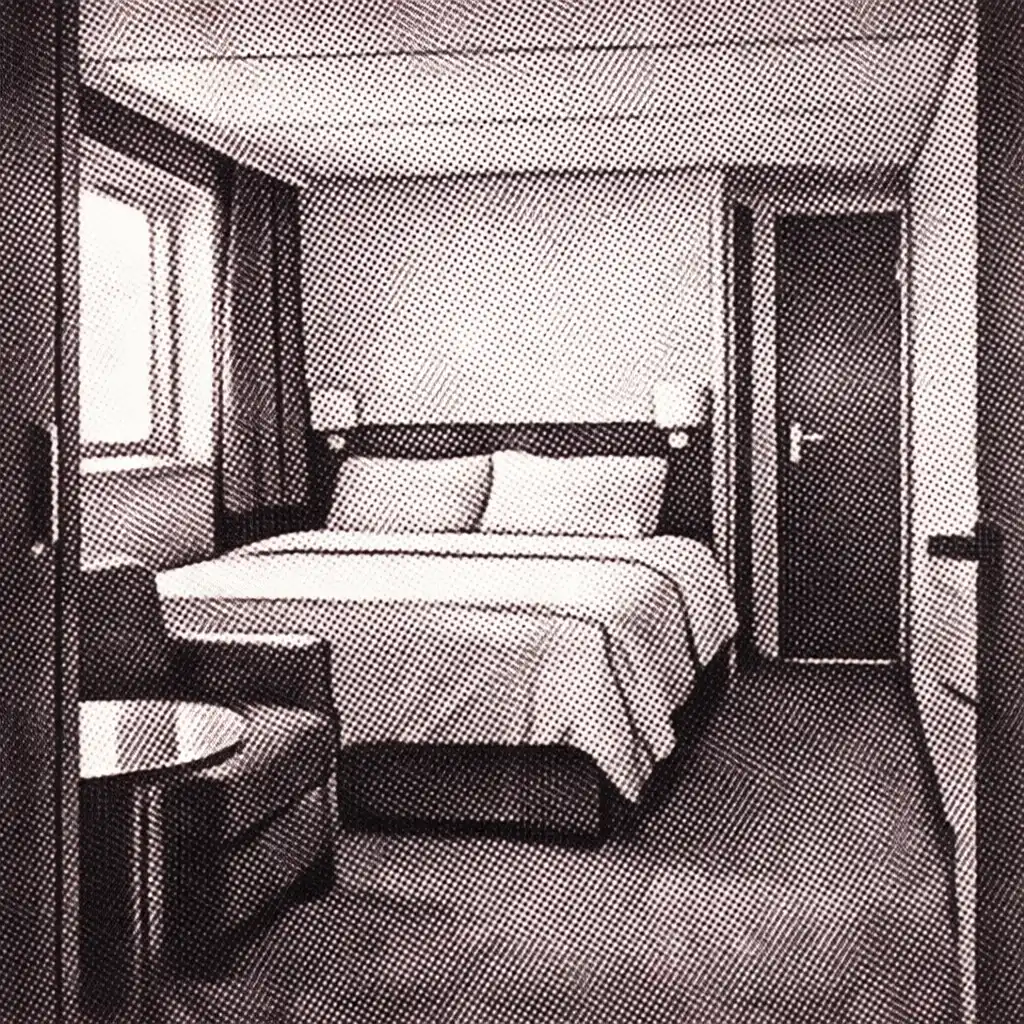
A practical cruise cabin viewed from the doorway, showing bed, compact seating, storage edge and the route toward the bathroom.
Cabin study: bed, storage and circulation are details to verify in vessel-specific reporting.

Dining dispatch

Dining rooms and the day’s timetable

Dining assessment is less about counting venues than understanding service patterns. Look for meal periods, booking practices where applicable, seating patterns and the relationship between main dining rooms and casual choices. Detailed coverage can identify ship-specific dining hours, while a practical guide helps place those arrangements within the day rather than treating every room as interchangeable.

Morning watch

Breakfast and port-day departures

Early food options, crowding and location can matter when passengers are preparing to go ashore. Read the day’s programme with dining information, and consider how a preferred breakfast route sits with the itinerary. Operational arrangements belong to the relevant sailing’s information, not a universal rule.

Midday watch

Sea-day lunches and informal gathering

When more passengers remain aboard, seating, deck location and venue flow become part of the experience. Pool decks, lounges and family spaces may all connect to the midday routine. Detailed deck and onboard guides help show the practical links without claiming that one busy period suits everyone.

Evening watch

Evening meals and onward plans

Dining times can influence theatre attendance, lounge use and the pace of an evening. Review dining and entertainment schedules together, remembering that arrangements may vary. The useful question is often what comes next, and how easily the route works.

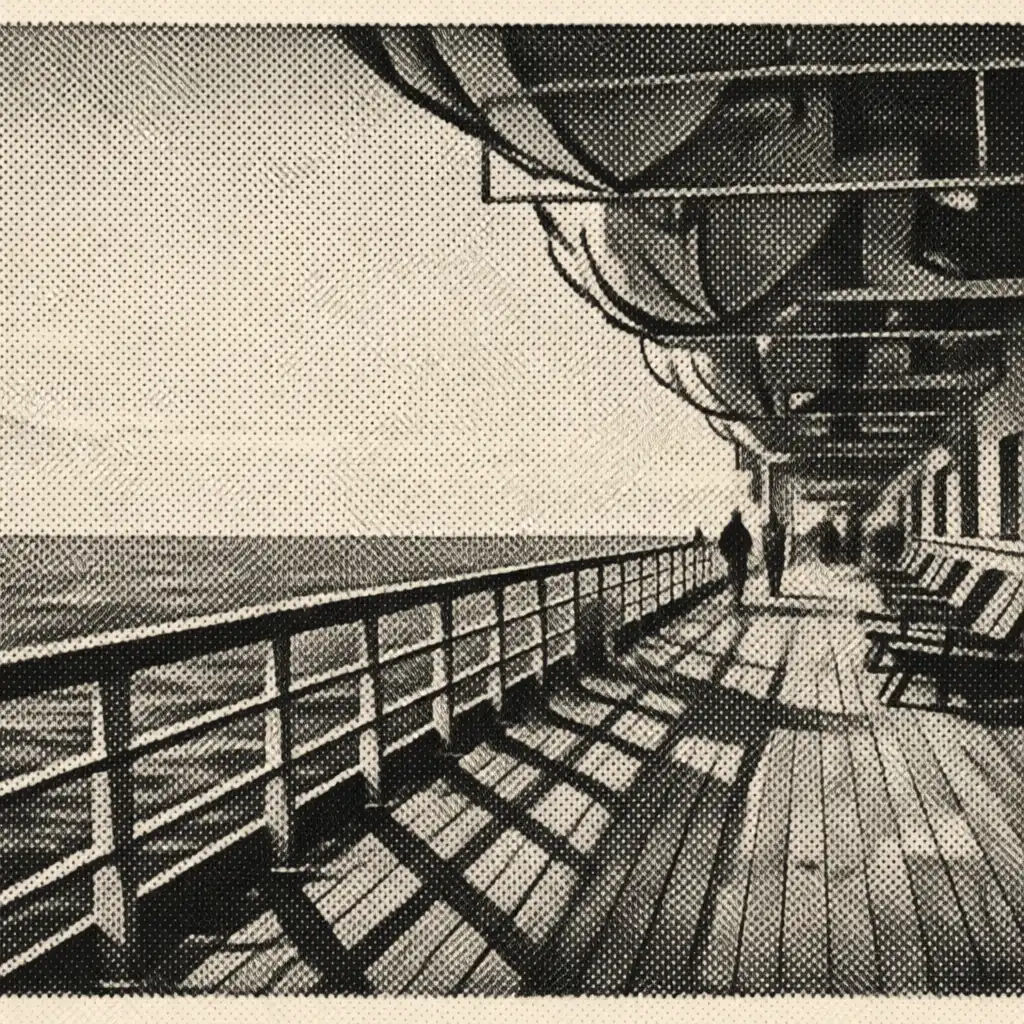
An open cruise-ship promenade deck at sea, with a clear walking route, deck chairs, overhead structure and horizon.
Promenade observation: rail, route line and horizon show why a deck plan and a photograph answer different questions.

Deck report

Decks, routes and outdoor space

Read a deck plan as a route map. It reveals distances, lift banks, stair routes and the relationship between cabins and public rooms in a way amenity lists cannot. Trace likely journeys: cabin to breakfast, pool to buffet, theatre to lift, and a return from the gangway to the cabin. The aim is not to identify a universal shortest route, but to see how a ship’s layout may fit a traveller’s own routine.

Outdoor areas have changing uses. Pool decks, promenades, viewing spaces and seating can feel different on sea days, port calls and during evening programming. In ship-specific coverage, assess shade, wind exposure, walking routes and proximity to food or family activity. Itinerary pace adds context to every observation.

Programme notes

Evenings aboard: theatre, lounges and programme pace

The programme is a timetable, not a promise. Entertainment reporting is most useful when it says what is scheduled, where it takes place and how it sits beside meals and other activity. In detailed liner reporting, check daily programmes and venue locations, then consider theatre timing, dining plans and the route back to the cabin as parts of one evening sequence.

Theatre and main-room planning

Venue capacity, show timing, accessibility routes and the distance from dining areas are sensible factual checks. Schedules can vary by sailing, so identify the route back to cabins after events rather than assuming an arrangement will be identical every night.

Lounges and smaller gatherings

Location, seating style and timing may matter more than a generic amenity label. A lounge can fit a pre-dinner, post-show or quiet-time routine in different ways, and the daily programme provides the relevant detail. Its role is often revealed by the route around it.

Service journal

Wellness, family spaces and access needs

Wellness is part of the ship’s working day. In a review, assess the location of spas, fitness areas and quieter spaces, their operating arrangements, changing-room practicalities and how they fit a sea-day routine. These are categories to confirm in ship information, not assumptions about treatments, costs, opening times or inclusions. Deck plans and likely crowd patterns supply the context that a simple facility label does not.

Family spaces need a route and a routine

Family travellers can examine the location of children’s areas, nearby food, toilets, outdoor deck access and the journey back to cabins. Route: how far are the spaces from the places a group expects to use? Routine: what information should be checked for the relevant ship and sailing? Dedicated coverage can help frame those questions without assuming age bands, supervision arrangements or programme times.

Field notes

Itinerary and embarkation field notes

Deck log: the ship changes character between ports and sea days. Decks, dining, family areas, entertainment and indoor rooms are used differently as an itinerary moves along. Read itinerary reporting beside liner reviews, remembering that daily programmes and conditions can vary from one voyage to another.

01 · First afternoon

Embarkation and first afternoon

The first hours aboard are a chance to understand where the cabin sits, locate dining information, learn key routes and read the day’s programme. This is a guide to the questions that make orientation easier, not a promise about boarding timing or luggage delivery.

02 · Port-day return

Port calls and returns to the ship

On port days, consider gangway routes, meal timing, deck access and the path back to the cabin. Use the relevant sailing’s official daily information for operational details; procedures should not be assumed from another ship, port or voyage.

03 · Sea-day pace

Sea days and onboard pacing

Longer periods aboard make it useful to know where quiet space, deck seating, dining and programmed activities sit within the plan. Match those possibilities to a preferred routine, then turn to detailed onboard coverage for the vessel-specific information.

Reading index

From liner register to full report

Detailed report

Read cabin reviews

Go deeper on category, layout and location questions with factual reporting designed to make a cabin’s practical use easier to assess. Coverage is ship-specific where available rather than a promise that every vessel follows one pattern.

Practical desk

View onboard guides

Use service-journalism guidance for daily routines, dining, decks and venue use. These guides are intended to help readers interpret the working details of life aboard, not to encourage a purchase or booking decision.

Voyage desk

Explore cruise itineraries

Find voyage-focused material that places shipboard routines in the context of sea days and port calls. Itinerary context helps explain why a room, route or dining pattern may matter differently across a sailing.

Responsible information

Understand casino rules and responsible play

The dedicated factual guide covers poker, roulette, blackjack, table etiquette, onboard atmosphere, opening times and responsible play. It is informational coverage only and makes no promise about winnings or financial outcomes.

Editor’s closing note

Factual reporting, ship by ship

For New Zealand travellers, useful liner reporting identifies what is known, what can vary by sailing and what should be verified in the relevant ship and voyage information. Sailor Companion follows cabins, public spaces and daily routines as practical subjects, with factual reviews and guides intended to support clearer reading before the journey begins.

Browse Cruise Liners reporting