Port-intensive passages
Frequent calls can make a voyage feel alert and outward-looking.
They can also bring early starts, repeated day-bag packing and meals arranged around return times. When several shore days arrive together, ask whether you will welcome that momentum or prefer to protect some quieter time aboard. Leave room for rest, a simple meal and an unhurried evening rather than judging a day only by how much ground it covers. A busy schedule is not automatically a better one; it simply asks for a different pace.
Sea-day-led journeys
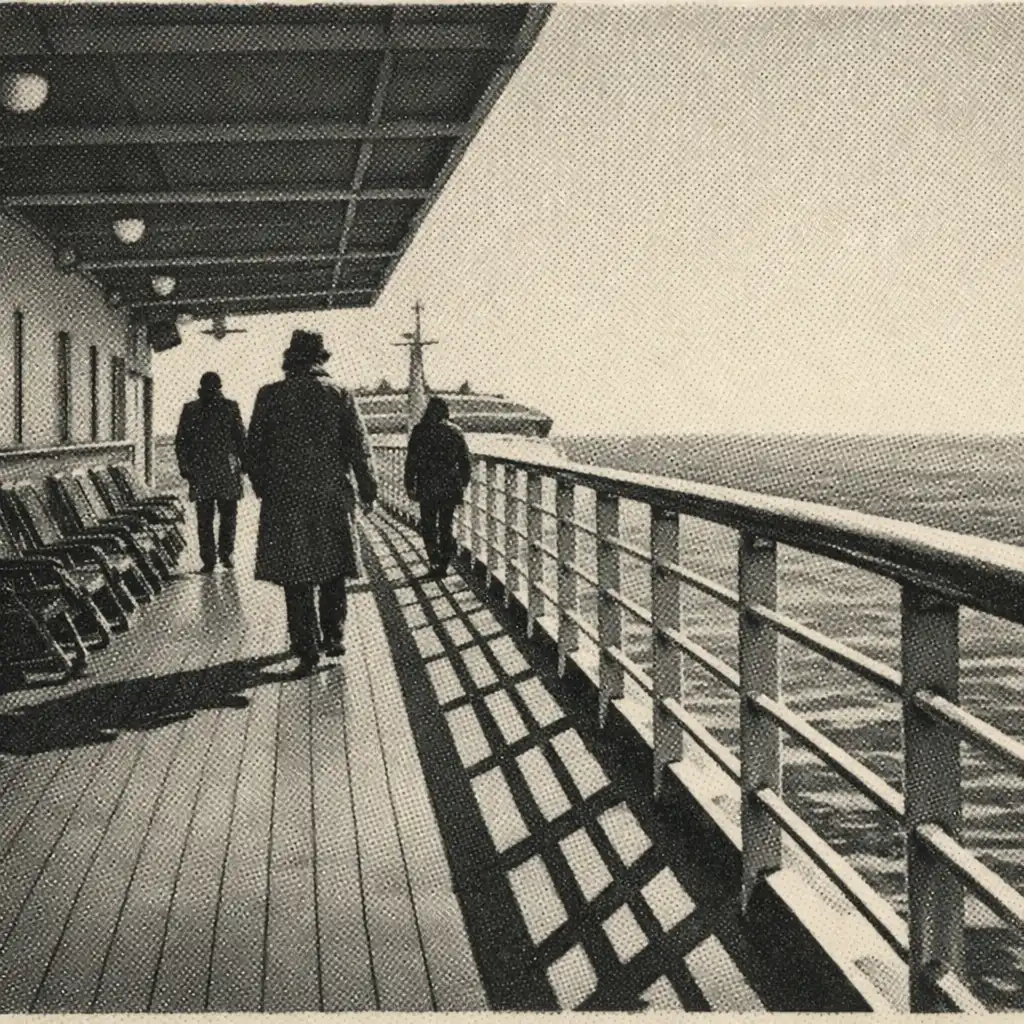
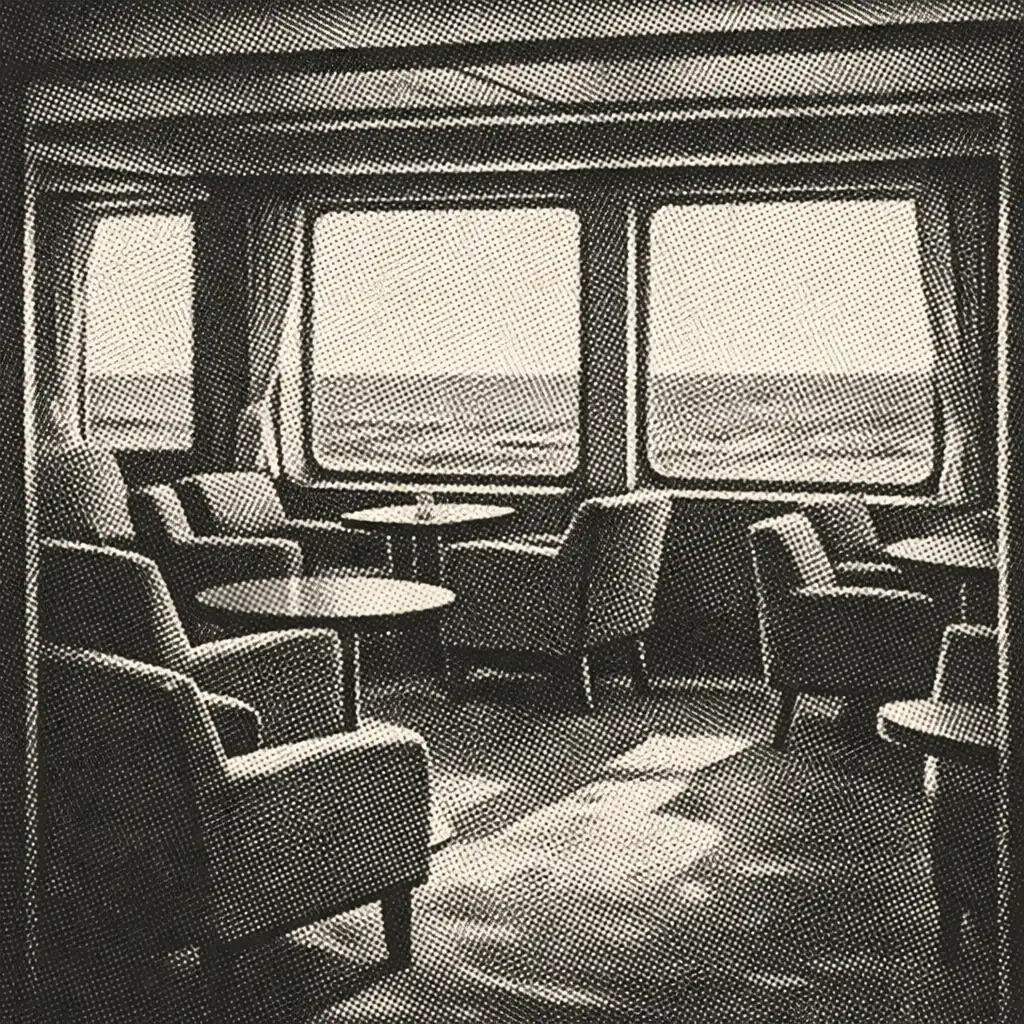
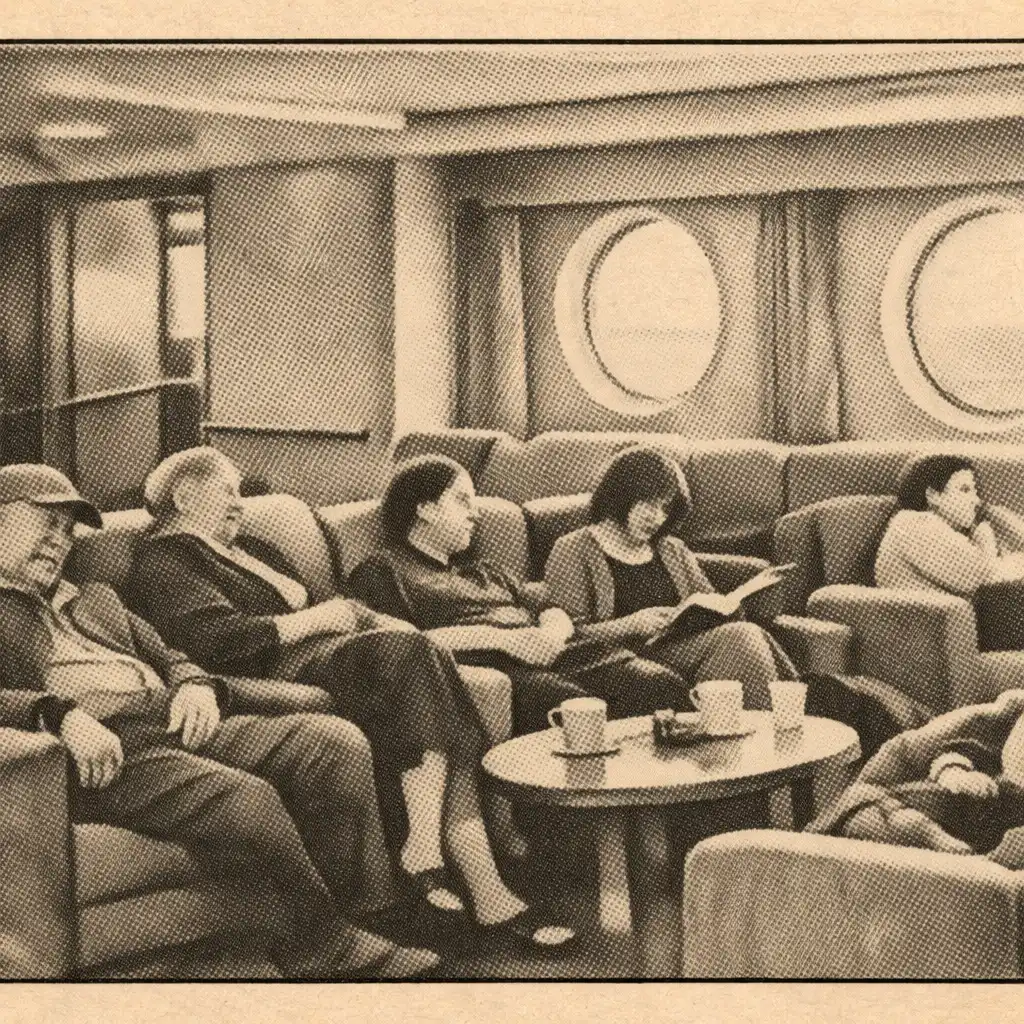
Sea days turn attention towards the ship itself: decks, dining, entertainment, wellness areas and cabin comfort can become central to the experience. When this rhythm appeals, inspect the available factual information about daily living spaces as carefully as the route. Consider the kinds of places where you naturally read, walk, eat, rest or spend time together, without assuming that a particular ship provides a particular amenity.
- Cabin comfort and location
- Open and sheltered deck space
- Ways to spend an unhurried day
Compass note
One-way and repositioning-style routes
A voyage that ends in a different place can have a distinct logistical shape from one that returns to its starting port. Onward accommodation, transfers and luggage planning may deserve more attention before departure. These arrangements can vary by sailing, so use the route as a prompt for questions rather than an assumption that a particular connection will be available. The practical value lies in seeing the whole journey, before and after the ship, as one plan.